




Protecting workers from workplace transport: getting the basics right
The stark reality is that being struck by a moving vehicle accounts for 16% of all fatal work-related injuries, claiming an average of 21 lives annually over the past 5 years, making it one of the leading causes of work-related fatalities in Great Britain.
Looking at these incidents we see that many feature the same pattern – reversing vehicles.
Recent months have brought this issue into sharp focus, with fines reaching £2.5 million as case after case reveals the same preventable failures.
“What strikes me most about these cases is not the complexity of the failures, but their simplicity,” says John Rowe, Deputy Director for Technical Support and Engagement at the Health and Safety Executive (HSE). “Time and again, we see deaths that could have been prevented by basic measures that cost far less than the fines that are ultimately imposed.”
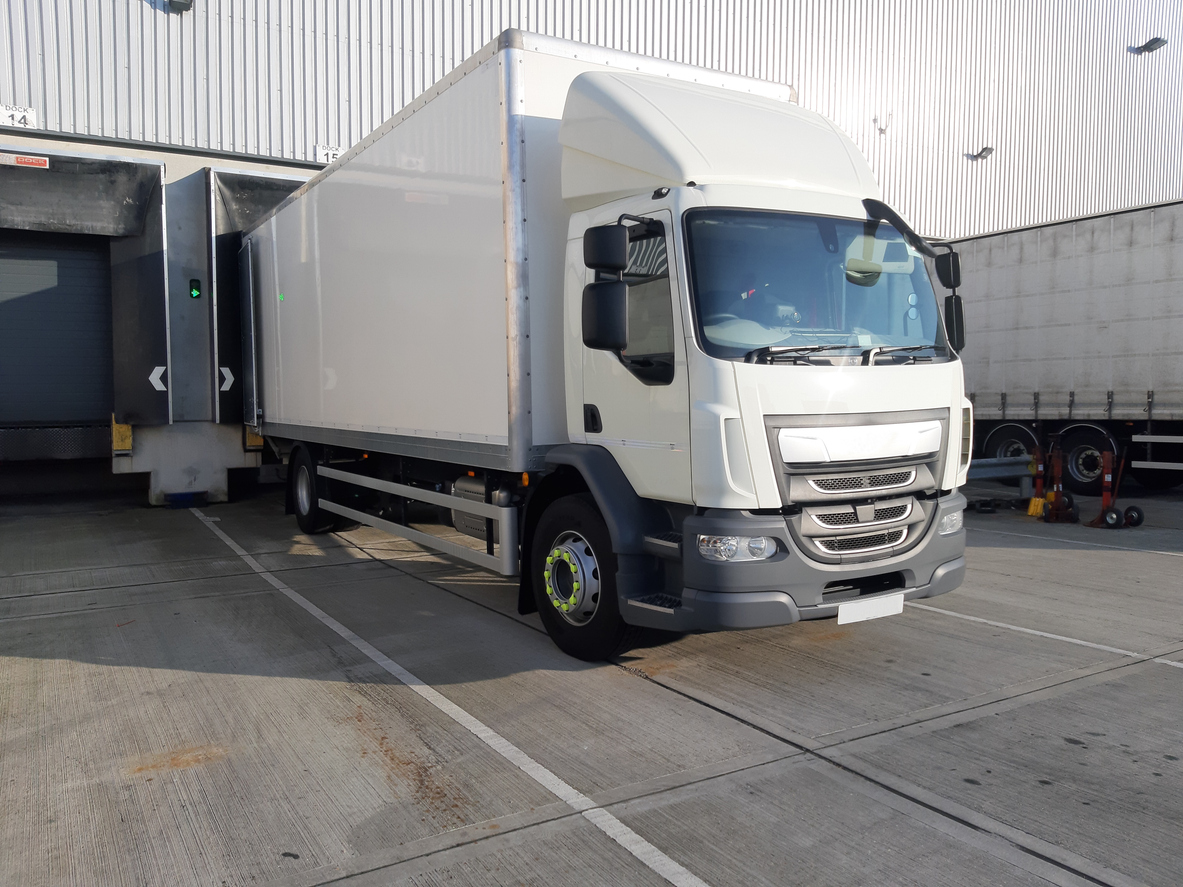
The pattern is clear across multiple industries including agriculture (27% of vehicle deaths), construction, and transportation and storage (17% each). But the solutions are equally clear, if employers are willing to implement them properly.
Why these incidents happen
Workplace transport fatalities follow predictable patterns. Workers are struck by reversing vehicles in yards where pedestrians and vehicles share space. Drivers cannot see properly because reversing aids are broken or missing. Sites lack traffic management. There are no designated safe routes for people on foot.
These incidents occur when safety is treated as optional. Delivery schedules take priority over having a banksman present. Reversing cameras stay broken because fixing them seems expensive. Pedestrian walkways are never created because “we’ve always managed without them.” Or they are created but their use is not enforced – potentially creating an even more dangerous situation on site.
Preventing vehicle-related deaths means making safety fundamental to how sites operate. This must happen before any vehicle moves. It requires understanding risks and committing to control them properly.
How to prevent these incidents
Safe site design separates people from vehicles wherever possible. This means creating dedicated walkways with physical barriers, using one-way traffic systems to reduce reversing, and designating loading areas away from where people work. Sites need proper lighting so drivers can see clearly throughout the day. Pedestrian routes must be visible and obvious to everyone.
Vehicles must be maintained and fit for purpose. Reversing aids are essential safety equipment, not extras. CCTV systems, audible alarms and sensors help drivers detect hazards they cannot see directly. These systems only protect workers when they are working properly. Regular vehicle checks must be standard practice. Any vehicle with defects must be taken out of service until repairs are completed.
More News

Are Solar Panels a Fire Risk?
